Contact Us
Lishuangdian Industrial Zone, Zhengding County, Shijiazhuang City, Hebei Province, China.
info@hsspcflooring.com
Whatsapp/Wechat: +86 15933619081

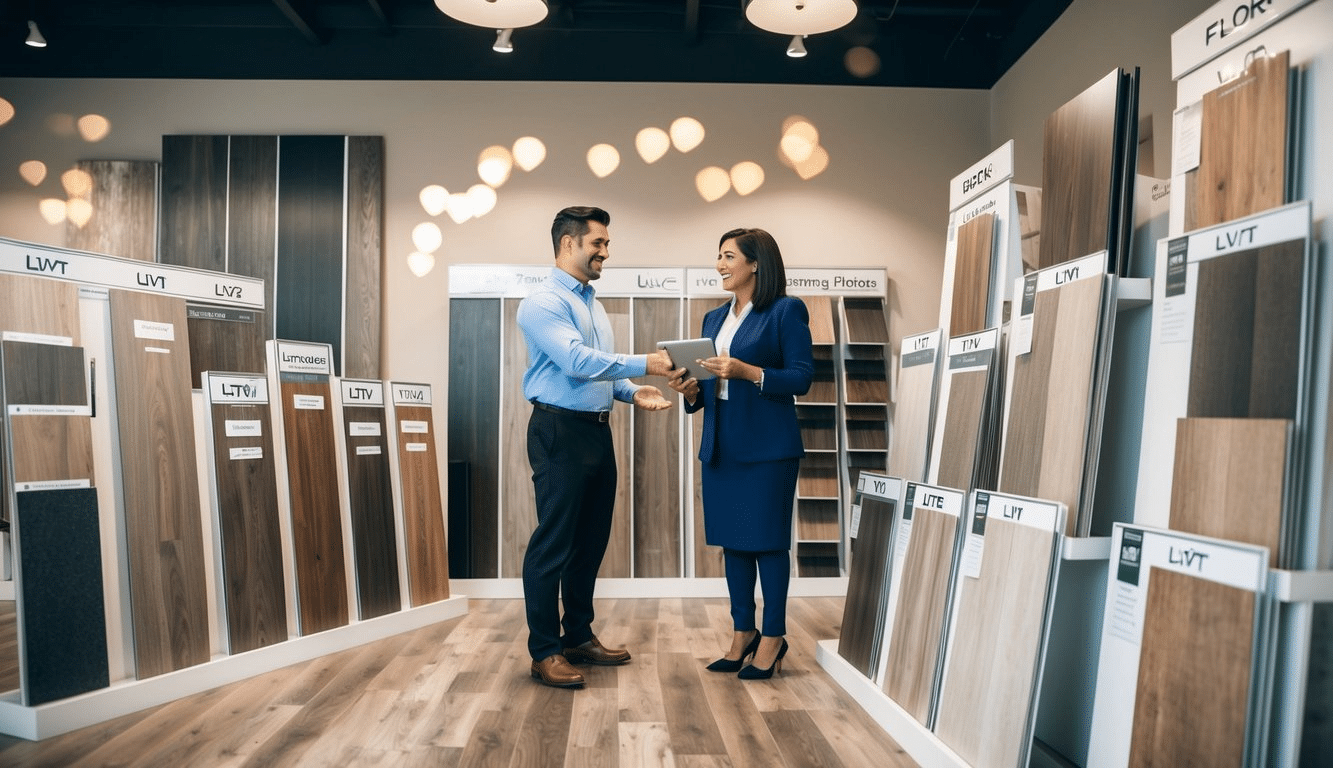
When it comes to upgrading your home or commercial space, luxury vinyl tile flooring has become one of the most popular choices worldwide. Known for its durability, affordability, and modern design flexibility, LVT flooring offers a perfect balance between performance and aesthetics. However, with so many types available on the market, choosing the right option can be challenging. As a professional manufacturer, MNS Floor is here to guide you through the different types of LVT flooring and help you make the best decision.
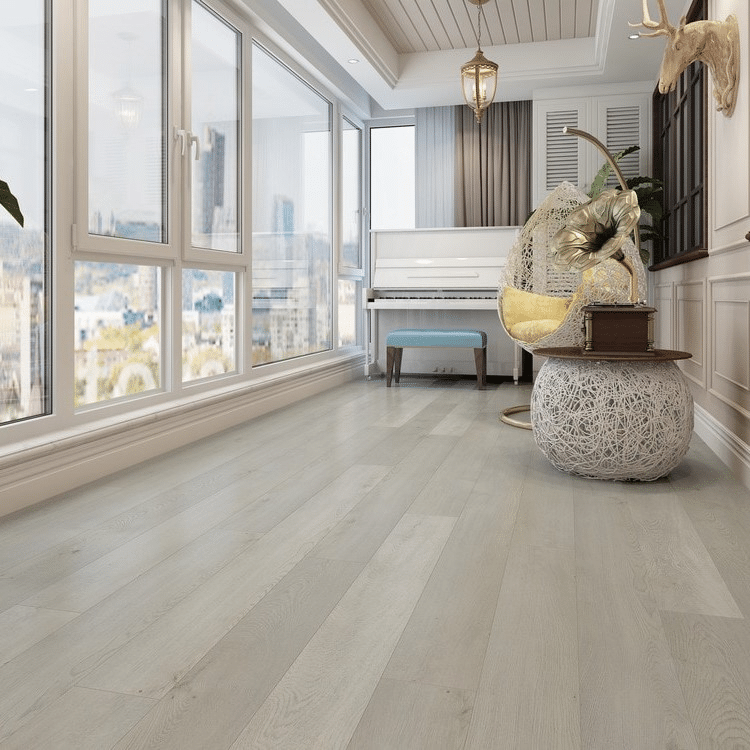
Waterproof LVT flooring is an excellent option, especially for moisture-prone areas such as bathrooms, kitchens, and basements. It provides peace of mind by resisting spills, humidity, and daily wear while maintaining its shape and appearance over time. At the same time, it is available in a wide variety of styles, so you don’t have to compromise on design.
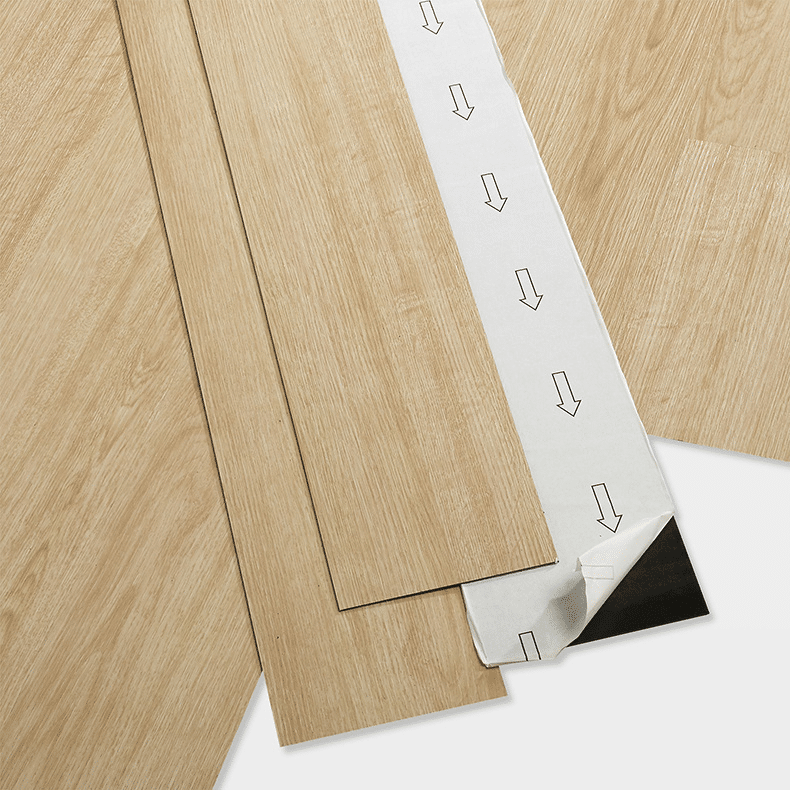
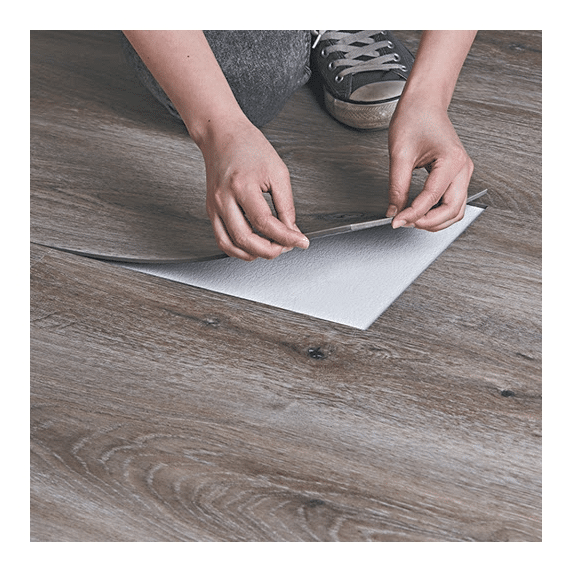
For customers looking for simple and fast installation, self adhesive floor tiles—also known as peel and stick floor tile or press and stick tile—are a great solution. These products are especially popular among DIY users because they eliminate the need for glue or professional tools. Whether you prefer wood-look planks or stone-look tiles, this category offers both convenience and style.
Key Takeaways
Rigid core LVT is ideal for high-traffic areas due to its strong structure.
Waterproof LVT is perfect for kitchens, bathrooms, and basements.
Peel-and-stick LVT offers easy installation, making it ideal for DIY projects.
What Is LVT Flooring?
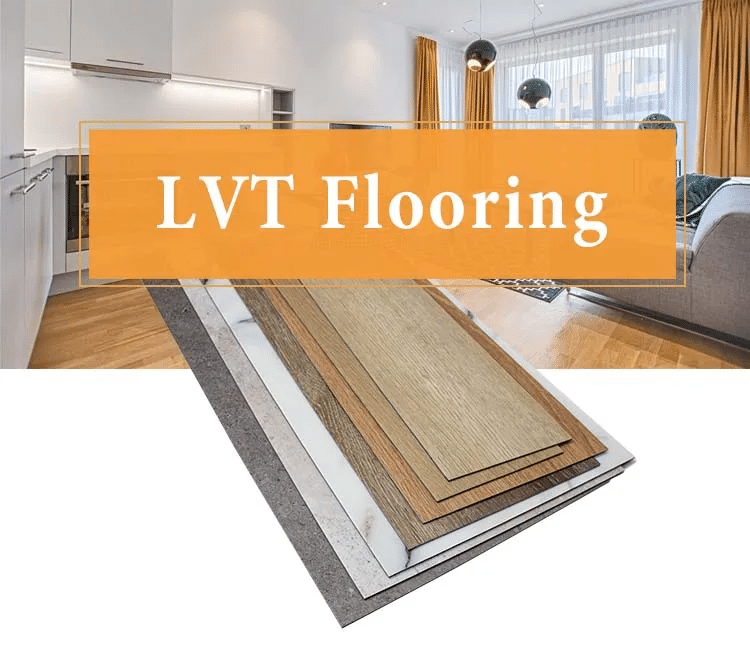
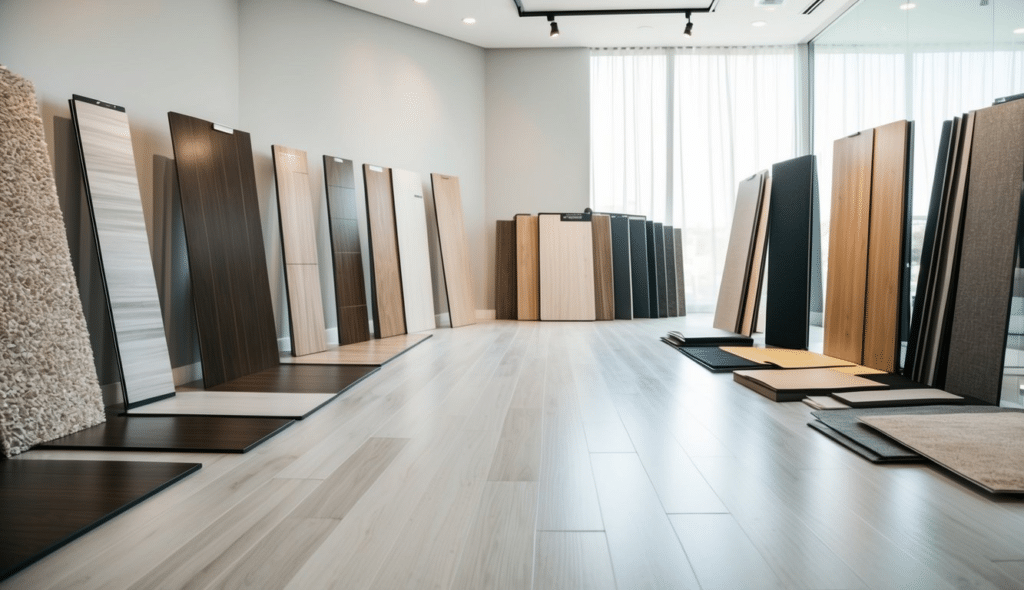
LVT stands for Luxury Vinyl Tile, a modern flooring material that combines the strength of vinyl with the appearance of natural materials such as wood, marble, or stone. It delivers high-end visuals at a more affordable price point while offering superior performance.
Definition and Composition
LVT flooring is designed with a multi-layer structure to ensure durability and comfort. Each layer plays a critical role in overall performance.
Layers of LVT Flooring
Wear Layer: Protects the surface from scratches, stains, and abrasion.
Design Layer: Uses high-definition printing to replicate wood, stone, or ceramic textures.
Backing Layer: Provides stability and enhances installation performance.
Materials Used
LVT is mainly made from PVC combined with stabilizers and plasticizers, ensuring flexibility, strength, and long-term durability.
Benefits of LVT Flooring
Durability: Suitable for residential and commercial high-traffic areas.
Water Resistance: Excellent for wet environments without risk of damage.
Easy Maintenance: Simple cleaning with no need for special treatments.
Versatility in Design and Application
LVT can be installed on various subfloors, including concrete, wood, and existing tiles. From classic oak finishes to modern stone looks, the design possibilities are nearly endless.
LVT Flooring: The Different Types
Self-Adhesive Vinyl Tiles and Planks
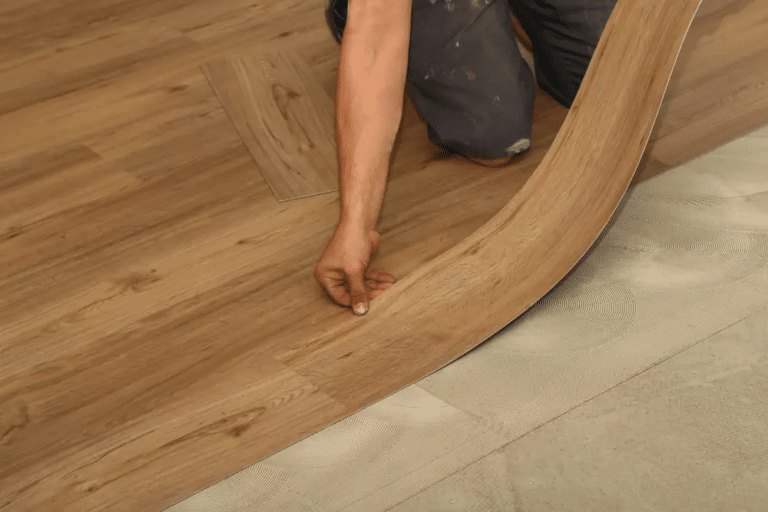
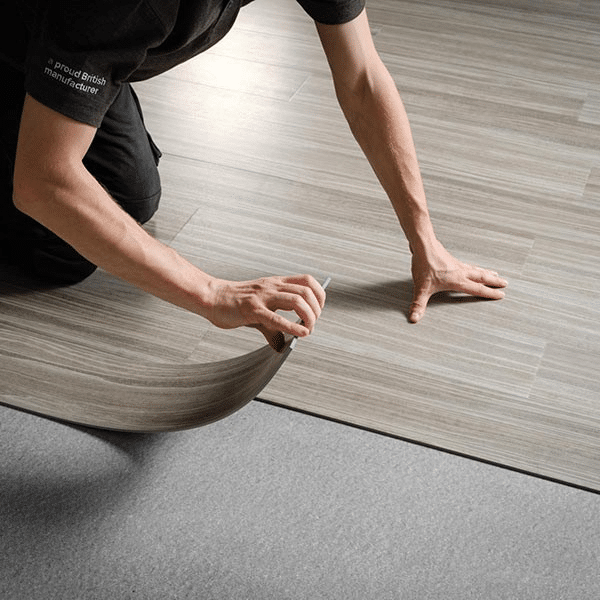
Self-adhesive flooring, also known as self stick floor tiles or peel stick floor tile, is highly popular for its convenience. Installation is as simple as peeling off the backing and placing the tile onto the floor. It is ideal for quick renovations and small spaces.
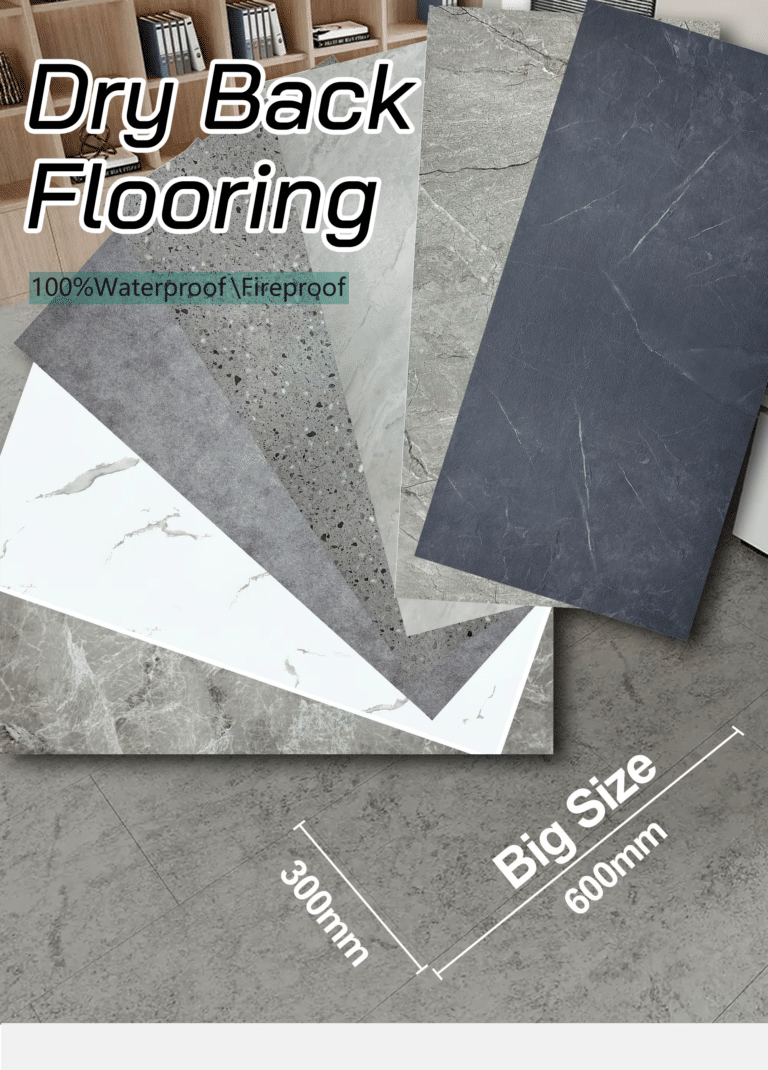
These tiles come in a variety of designs, including wood grain and ceramic patterns. While easy to install, they are generally better suited for areas with moderate traffic.
Glue Down LVT Flooring
Also referred to as adhesive vinyl tile flooring or glue on floor tiles, this type requires adhesive during installation. Glue down LVT flooring offers excellent stability and is widely used in commercial environments where durability is essential.
Although installation takes more time, the result is a strong, long-lasting floor that can withstand heavy use.
Interlocking / LVT Click Flooring
LVT click flooring features a click-lock system that allows planks to snap together without adhesive. This floating floor system is easy to install and replace, making it suitable for both professionals and DIY users.
It offers the appearance of wood or stone while providing the advantages of modern vinyl technology.
Loose Lay Vinyl Flooring
Loose lay flooring uses a heavy backing to stay in place through friction. It does not require glue, nails, or locking systems. This makes it ideal for temporary installations or spaces where quick replacement is needed.
Why Choose LVT Flooring: Pros and Cons
Water-Resistant Performance
LVT flooring performs exceptionally well in wet environments. Unlike traditional wood flooring, it will not warp or swell when exposed to moisture.
High Durability
With a strong wear layer, LVT can handle heavy foot traffic, pets, and daily use. Many products have a lifespan of 10–20 years.
Easy Maintenance and Cleaning
Regular sweeping and occasional mopping are enough to maintain its appearance. It does not require polishing or refinishing.
Elegant Designs and Colors
LVT offers a wide range of styles, from natural wood textures to modern stone patterns. Advanced printing technology ensures realistic visuals.
Factors to Consider When Choosing LVT Flooring
Scratch and Stain Resistance: Choose thicker wear layers for better durability.
Thickness Level: Thicker flooring provides more comfort and sound insulation.
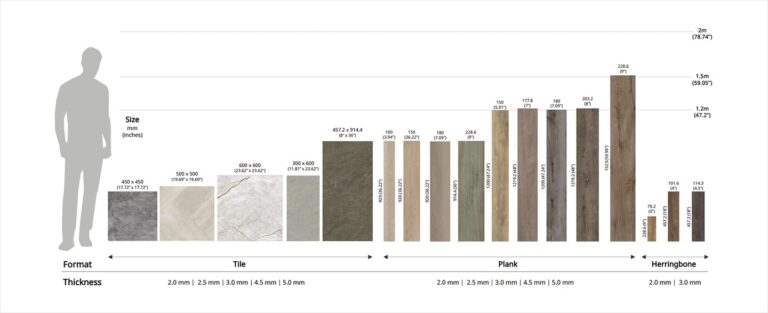
Plank Size: Larger planks create a spacious look, while smaller ones offer a classic feel.
Room Type: Select flooring based on moisture exposure and usage.
Warranty: A strong warranty ensures long-term confidence.
How to Install LVT Flooring
Level the Subfloor: Ensure a smooth and even surface before installation.
Leave Expansion Gaps: Allow space for temperature-related expansion.
Practice Interlocking: For click systems, ensure proper alignment for a tight fit.
Do You Need Underlay Under LVT?
Underlay can improve comfort, reduce noise, and provide moisture protection. Options include foam, cork, and rubber underlays depending on application needs.
LVT Flooring Maintenance & Care
Daily: Sweep or vacuum to remove dirt.
Weekly: Clean with a damp mop and mild cleaner.
Long-Term: Protect from sunlight and use furniture pads to prevent damage.
Frequently Asked Questions
Best LVT for kitchens?
Durable, waterproof LVT with strong wear layers is recommended.
Best LVT for bathrooms?
Waterproof rigid core LVT with click systems works best.
Best for basements?
Moisture-resistant LVT flooring is ideal.
How to choose quality LVT?
Focus on wear layer thickness and material quality.
SPC vs WPC?
SPC offers higher durability, while WPC provides more comfort underfoot.
As a leading China manufacturer, MNS Floor specializes in high-quality luxury vinyl tile flooring, including glue down LVT flooring, adhesive vinyl tile flooring, and LVT click flooring. We provide customized solutions, stable supply, and competitive pricing for global customers. Contact MNS Floor today to explore professional flooring solutions tailored to your market.